
Lodi Resident Lookup Sources
Each record answers a limited question. The Lodi assessment search can connect an owner name to a taxed parcel at an assessment date, while the Bergen map adds Lodi parcel context. A deed index identifies recorded parties and instruments, not a present Lodi household. The Lodi voter-status route, court gateway, vital offices, probate catalog, and library holdings each have their own rules. Use the Lodi source that fits the question, record its date, and avoid treating one result as a complete profile of a person.
| Record | What It Confirms | Where | Access |
|---|---|---|---|
| Lodi assessment record | Owner and parcel relationship at an assessment date | Lodi assessment search | Public lookup; owner or mailing detail may be restricted |
| Lodi parcel map | PIN, address, block, lot, and map context | Bergen County Parcel Viewer | Public map; it is not a survey or occupancy record |
| Lodi recorded instrument | Indexed parties and a deed or other filed document | Bergen County Clerk | Online index from January 1, 1970; images and copies vary |
| Lodi voter status | Status and election jurisdiction where access permits | New Jersey voter-status search | Title 19 and OPRA limits apply; original forms are restricted |
| Lodi court or vital record | A public case field or qualifying event record | NJ Courts or NJ Vital Statistics | Category-specific access, confidentiality, and copy rules |
Start with the most stable Lodi fact already known. A Lodi address can be checked against a parcel record, while a dated court question belongs in the correct court category. For an old Lodi name, a library directory or probate docket may be the stronger lead. A business entity or license result can identify an entity or credential, but it does not establish a personal residence.
Lodi Court Record Fields
For a Lodi court question, the New Jersey Courts gateway separates civil and foreclosure, criminal, criminal judgment, judgment lien, Tax Court, and municipal-ticket routes. Select the route before searching. The public case-jacket training example shows a case-type menu, party and docket tabs, Individual or Business choices, Last, First, and optional middle-initial fields. Its results model uses Name, Venue, Docket Number, Case Caption, and Case Initiation Date. That example is a statewide training model, not a Lodi result.
The captured NJ Courts gateway shows the separate public-search routes.
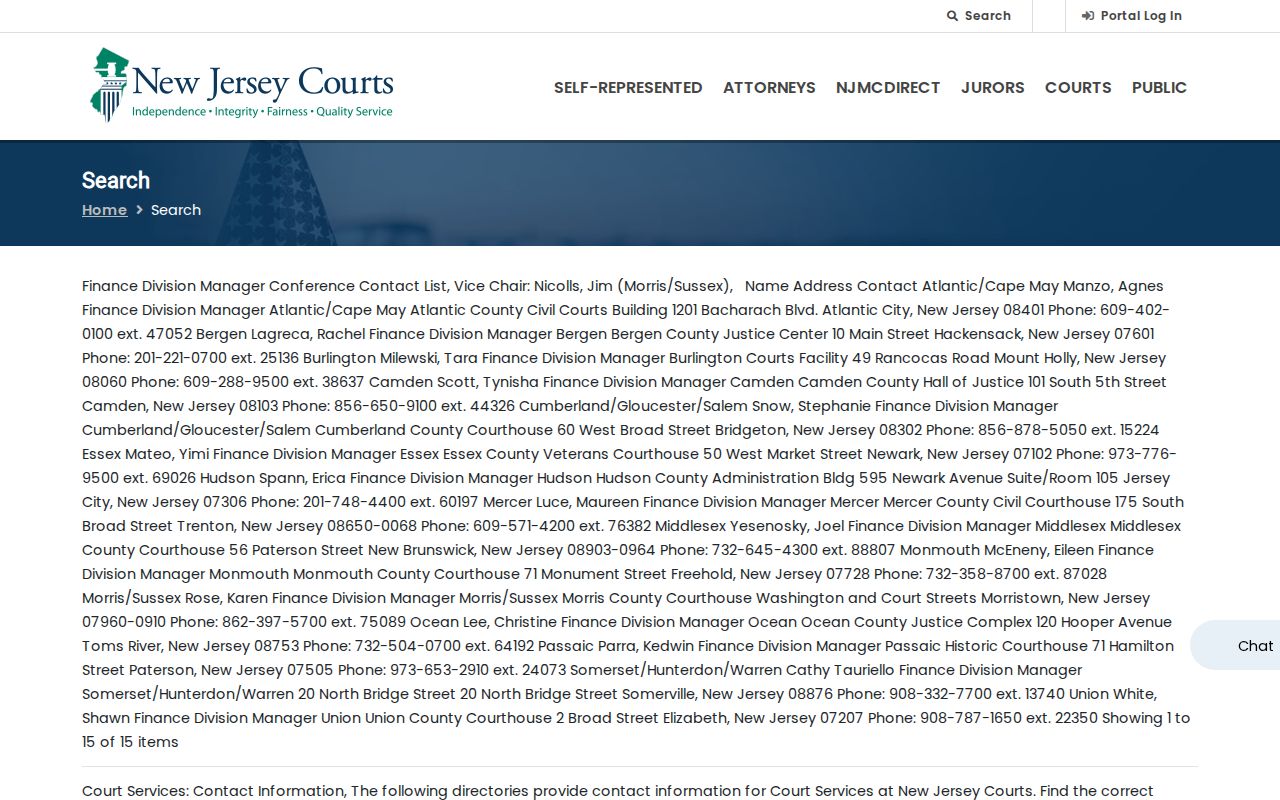
Use a party name only after noting the venue and case type for the Lodi question. Similar names can belong to different people, and the information visible depends on the chosen route. Lodi Municipal Court handles local tickets, ordinances, and related matters through its own procedures, not ordinary OPRA.
| Result item | Why retain it |
|---|---|
| Name and party spelling | Preserves the source’s exact indexed form. |
| Venue and docket number | Identifies the court route and case file. |
| Case caption and initiation date | Supplies context and a date for comparison. |
| Case category | Prevents a municipal matter from being confused with another court system. |
Verify a Lodi Resident
A sound Lodi resident lookup anchors a name to a dated Lodi address record and then tests it against another independent source. Begin with the full name, middle initial or suffix when known, alternate spellings, and a Lodi or Bergen time window. The Lodi assessment record can show an owner and parcel relationship, but it may distinguish a mailing address from the property address and does not prove occupancy. Next, compare a properly limited Lodi voter-status result, recorded instrument, court entry, vital event, or historical record only where the source lawfully exposes the needed detail.
- Search the Lodi assessment record using an owner name or a known address. Preserve the returned block, lot, qualifier, parcel address, and any separate mailing detail.
- Open the Bergen parcel map for the same Lodi block and lot. Its PIN and map context help confirm that the record refers to the same parcel, not that the person lives there.
- Search the Bergen County Clerk index with the exact and variant name, then limit a broad result by Lodi, block or lot, and a date range. Record the person’s indexed role and Lodi document context.
- Use the applicable voter, court, vital, probate, or library route for a second dated comparison. Request a copy from the custodian only when the access rules allow it and the record is needed.
- Docket
- A court’s identifying case number and case listing. It points to a case file but does not by itself prove every fact about a person.
- Index versus image
- An index is a searchable list of record fields. An image is the underlying document page, which may have different access, redactions, or copy conditions.
- Certified copy
- A copy issued or authenticated by the custodian for uses that require official certification. It is different from a search result or an ordinary viewing copy.
Lodi Voter Status Limits
For a Lodi voter question, the official New Jersey voter-status search is a limited status route, not a broad Lodi roster. The research capture did not expose its live field labels or result columns. Title 19 and OPRA rules restrict original registration forms and sensitive identifiers. A Lodi no-match display can reflect spelling, inactive status, a search issue, or a privacy limit, so it should never be treated as proof that a person is absent from Lodi.
The captured voter-status page is useful for recognizing the official route, not for inferring unobserved search controls.
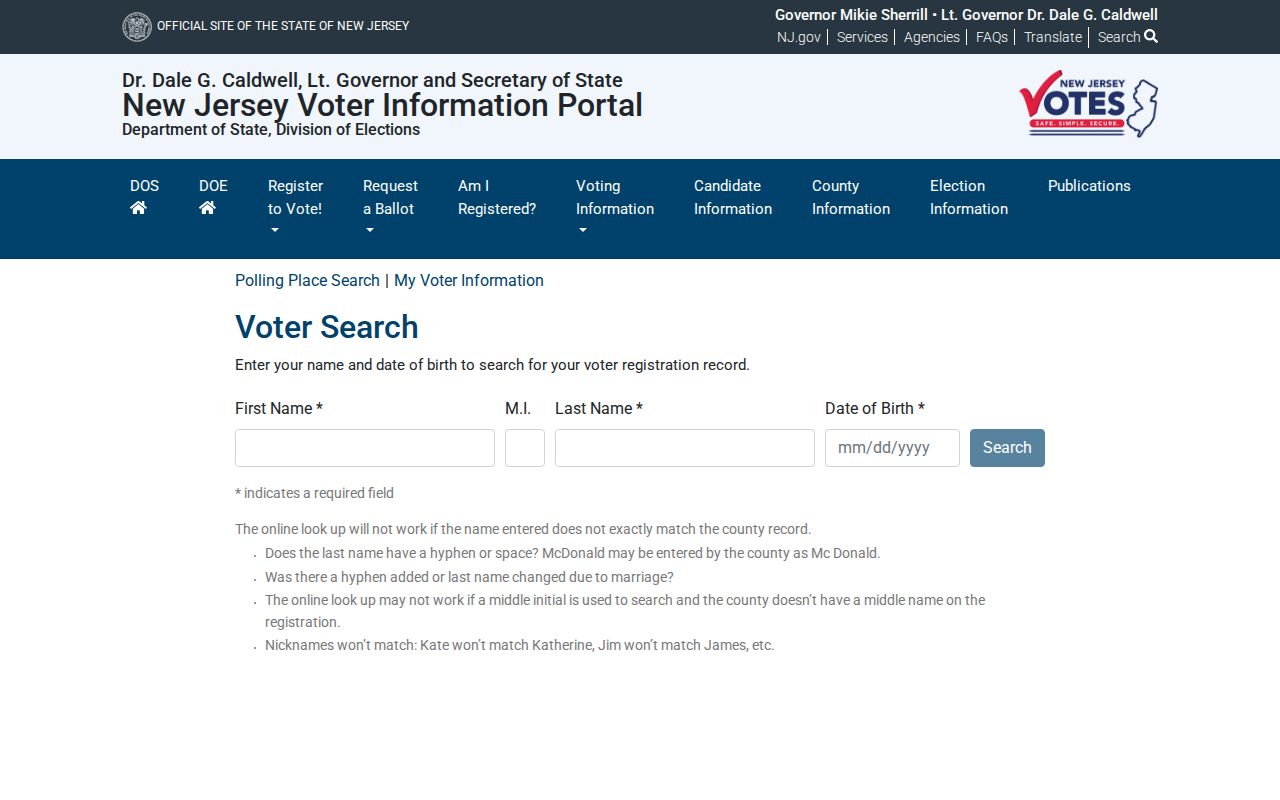
When Lodi election information is necessary, ask the Bergen election office which permitted public data can be supplied. Do not assume that a Lodi status check permits a streetwide export or reveals every address-related field maintained in the statewide system.
Lodi Court Route Differences
A Lodi Municipal Court ticket, a New Jersey Superior Court docket, and a federal case are separate records in separate systems. The Lodi municipal court handles local tickets, ordinances, and minor criminal-type matters through its own contact and case process. NJ Courts distinguishes civil, foreclosure, criminal, criminal-judgment, lien, Tax Court, and municipal routes for a Lodi case question. Federal case material belongs with PACER. A result in one system cannot be used to fill a Lodi record gap in another.
The NJ Courts copy guidance describes court-record access and the electronic request route.
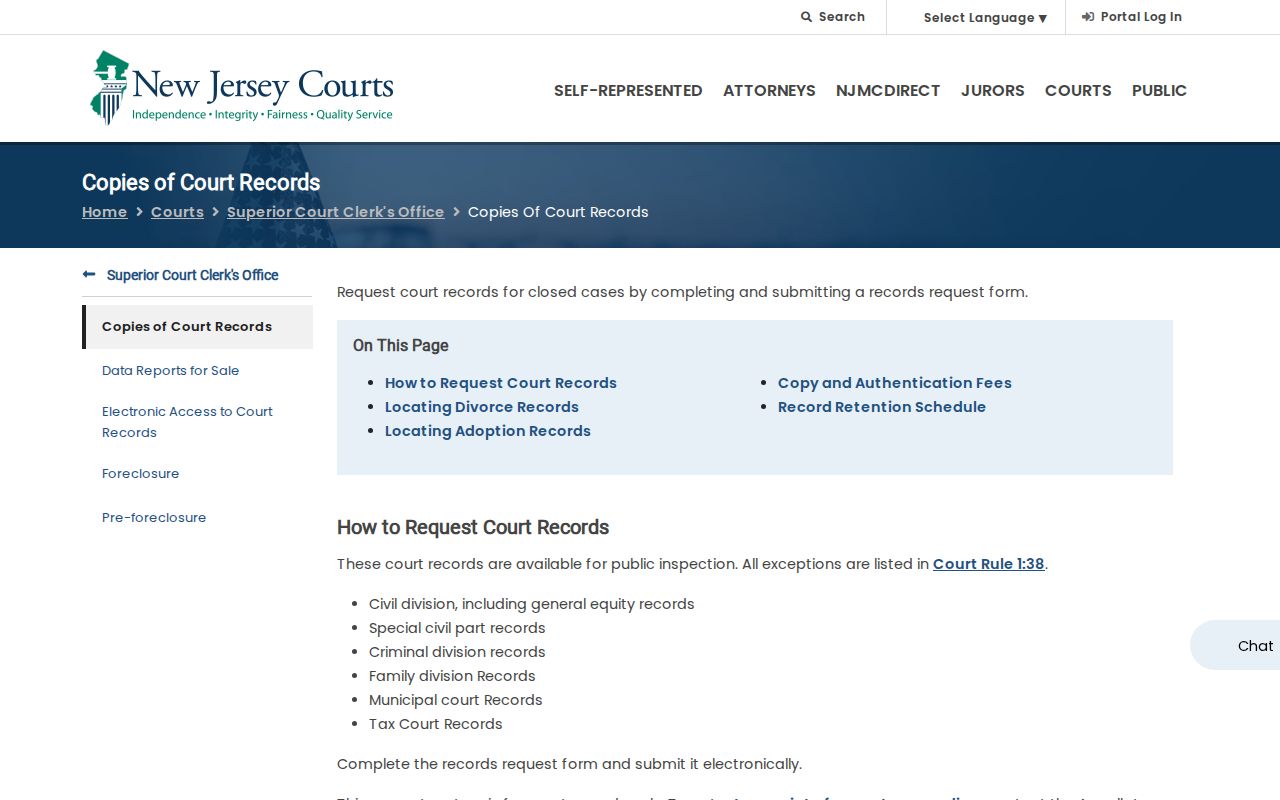
Rule 1:38 and related rules restrict juvenile, sealed, expunged, adoption, and other records. Lodi court copies come from the relevant court or the stated request route. A docket listing is not a finding of guilt, a complete history, or a Lodi identity confirmation.
The Federal Bureau of Prisons Inmate Locator is a separate federal access route for people incarcerated from 1982 forward.
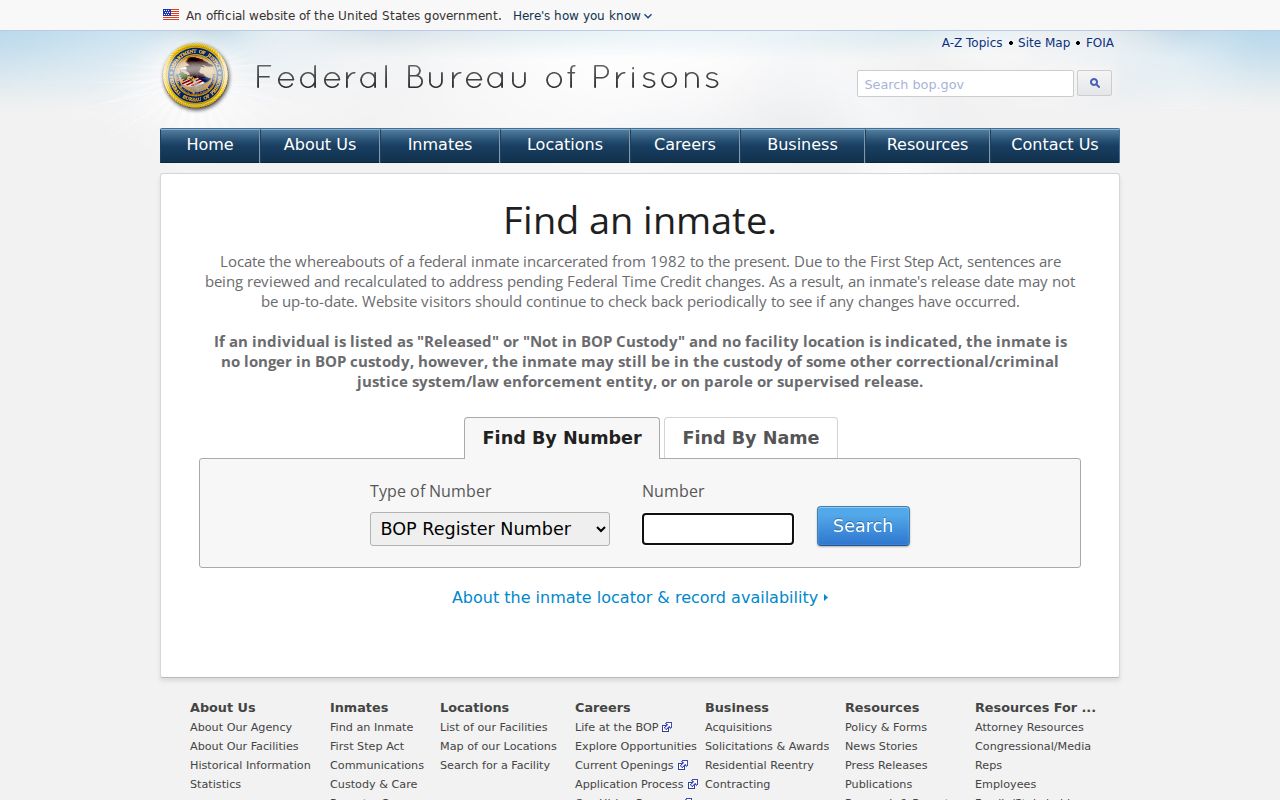
A federal locator result or an indicated release status does not establish a Lodi residence, identity, dangerousness, or the absence of records in another custody system.
Lodi Vital Event Boundaries
Lodi Vital Statistics keeps records of events that occurred in Lodi. That is a Lodi event-location rule, not a directory of everyone who has lived in the borough. Births after 1925 and marriages and deaths after 1951 are within the state office’s stated starting coverage, while the State Archives handles older periods. Lodi vital access depends on record type, age, relationship, identification, and the requested certification.
For non-genealogical requests, the research identifies thresholds of 80 years for births, 50 for marriages, and 40 for deaths. A Lodi local certified copy is listed at $10, while the state’s first search is generally $25, so use the right custodian rather than blending the two processes. Divorce decrees are Superior Court records, not Lodi vital records.
Lodi Resident Good Conduct
Lodi Police Central Services offers a Good Conduct letter for a narrow local purpose. Its coverage is limited to Lodi conduct or criminal checks from 1994 forward. The office requires an in-person request, valid government photo identification with a current Lodi address, and at least one year of Lodi residency. The source directs people seeking a full criminal history before 2004 to New Jersey State Police.
Use the Central Services page for its current requirements. Keep the letter’s limited geographic and time scope attached to any personal record note.
Lodi Resident History Leads
Older research calls for a different trail. The Lodi Memorial Library offers BCCLS resources and library-only Ancestry access, while its history material identifies a 1933 Lodi directory as a historical lead. The Bolger Heritage Center holds directories, newspapers, maps, church histories, family files, and other regional material, with some originals available by appointment. These collections can help date a name or address, but an historical listing is not present-day proof.
For an estate question, the Bergen probate catalog identifies records from 1714 to 1962. Begin with the surrogate docket index, then use its docket or file reference to locate the estate material. When an old directory entry needs a modern check, the Lodi city directory collections offer the historical context before independent current records are compared.
Lodi Lookup Privacy Limits
New Jersey OPRA, N.J.S.A. 47:1A-1 et seq., gives access to identifiable government records through the proper custodian. It does not create a right to have an office assemble a dossier about a person, and it does not override court, vital, voter, police, or protected-address rules. The Address Confidentiality Program gives qualifying survivors and certain reproductive-health participants a substitute address for state and local agencies. It cannot erase an address that was already public, but it does limit what should be disclosed or republished.
Lawful use. Use a Lodi resident lookup for personal research, family history, reconnection, estate work, or checking a seller. N.J.S.A. 2C:12-10 prohibits stalking, and records must never be used to harass or intimidate anyone.
Daniel’s Law redactions and sealed court or vital material can limit a result even when another public record exists. Ask the custodian about a specific record type, file number, or date range, and correct a suspected error with the office that maintains the source.
When no online record answers a narrow question, an OPRA request should identify the record type, department, date range, and relevant address, block, lot, or file number. Submit it to the proper custodian. Court, police, voter, and vital records follow their separate channels, so an ordinary borough request is not a way around their access rules.